
Our Perspective
When this journey began in 1983, the path ahead was indistinct. There was a strong urge to act, a deep discomfort with the realities around us, and an intuitive sense that something was profoundly unjust. Yet, the language to articulate these realities was still forming, and the strategies to challenge them were unclear. We knew there were difficulties embedded in everyday life—especially in the lives of women—but we were still learning how to name them, understand their roots, and respond meaningfully.
The early years were marked by uncertainty, struggle, and learning through experience. With time, clarity emerged. Our priorities evolved, our understanding deepened, and our perspective sharpened. This gradual transformation led to a more conscious and committed engagement with the feminist movement—one rooted not only in resistance, but also in community-led change. Over four decades of grassroots work in Mahoba and across rural Bundelkhand have taught us that lasting change does not come from imposed solutions, but from collective participation, reflection, and persistence.
For more than a quarter century, we have worked alongside women and marginalised communities, confronting entrenched inequalities that deny freedom, dignity, and equality. These are not isolated challenges of one district or region. They are realities that cut across India—sometimes visible, sometimes hidden, but always present. Despite constitutional guarantees and progressive frameworks, inequality continues to shape women’s lives, whether in agricultural fields, informal labour, or urban workplaces. The contradiction between promises of development and the lived realities of women remains stark.
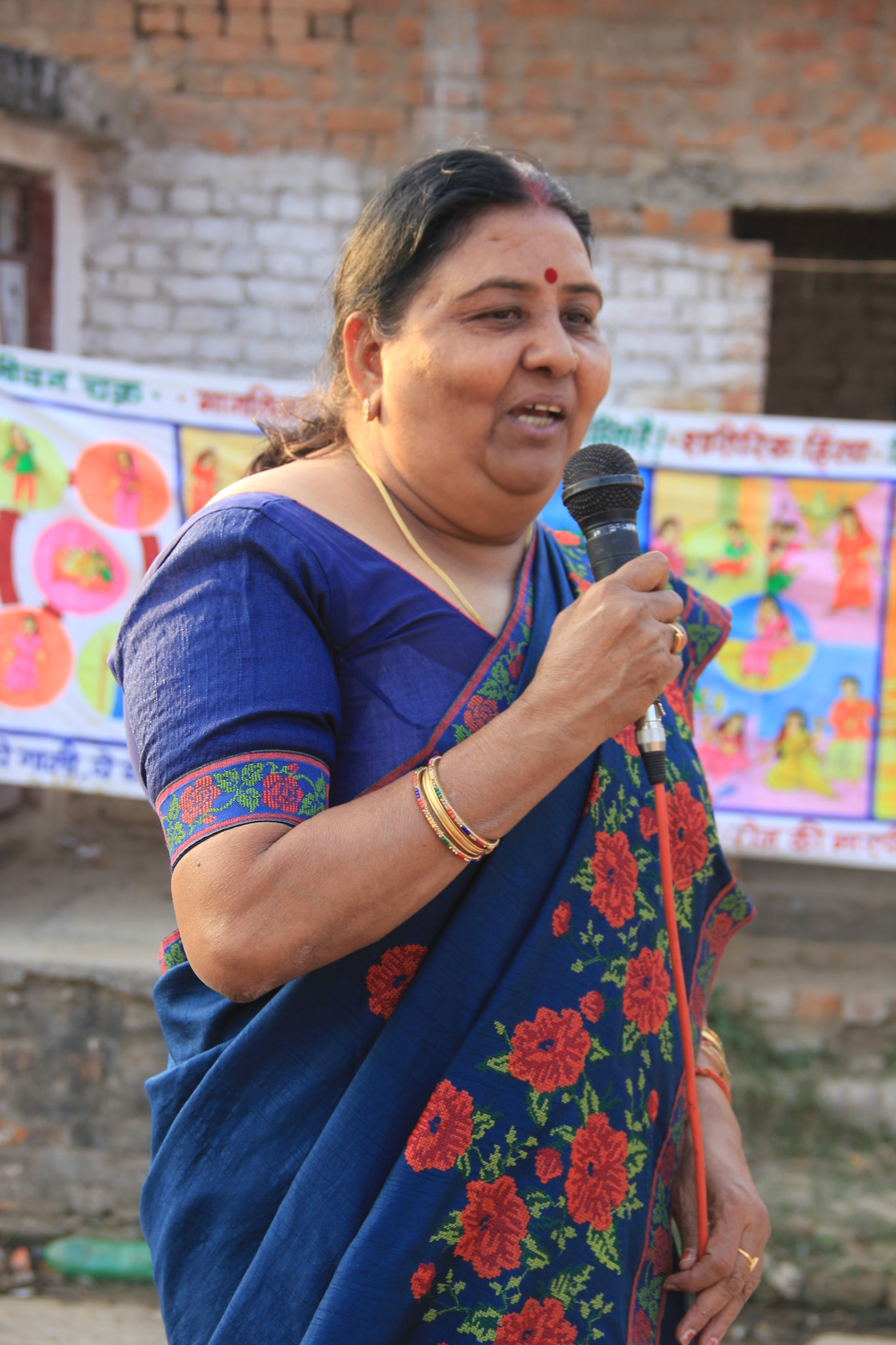
It is deeply ironic that while systems speak of progress, women continue to be excluded from education, economic opportunities, decision-making, and political thought. Social development, law, economic growth, and free thinking—forces meant to uplift society—are often rendered inaccessible or irrelevant to women. The marginalisation of half the population is sustained through deeply ingrained beliefs: that women belong only within the home, that reverence in religion substitutes for equality in life, or that ideals of sacrifice and care define their worth. These narratives systematically distance women from spaces of power and question their capabilities at every step.
At Gramonnati Sansthan, we have consistently worked to challenge this mindset—by placing women, adolescent girls, landless families, and small farmers at the centre of development processes. Our efforts across water and sanitation, sustainable agriculture, land and livelihood security, and climate resilience are grounded in the belief that true progress begins when communities recognise their own strength and lead change collectively. We have learned that empowerment is not a single outcome, but a continuous process of building confidence, agency, and shared responsibility.
Even after decades of struggle and engagement, many questions remain unanswered. Systems continue to fall short in responding to the realities women face. Yet, we believe that questions are not a sign of failure—they are an invitation to deeper inquiry, dialogue, and action. It is through these questions, asked together with communities, partners, and fellow travellers, that more just and sustainable answers will emerge.
This journey has reaffirmed our conviction that empowering people and sustaining nature are inseparable pursuits. As we move forward, we remain committed to nurturing self-reliant, inclusive rural communities where every individual can live with dignity, opportunity, and equality.
Kalpana Khare
Director Gramonnati Sansthan