A Woman Who Learned to Lead
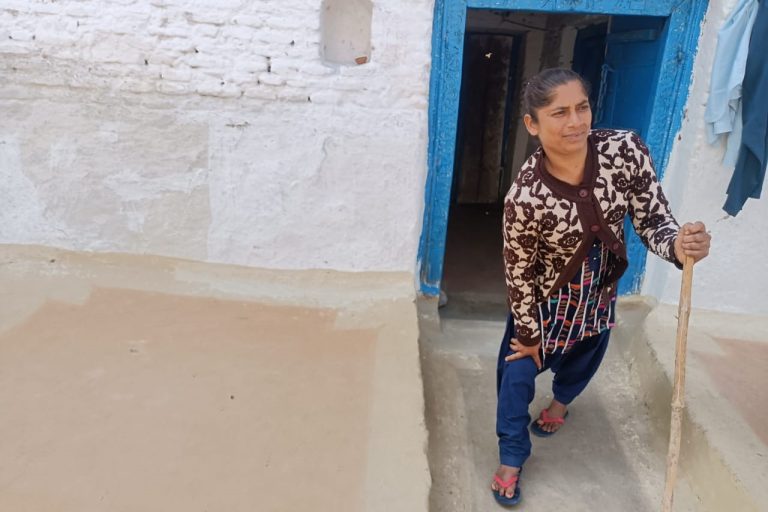
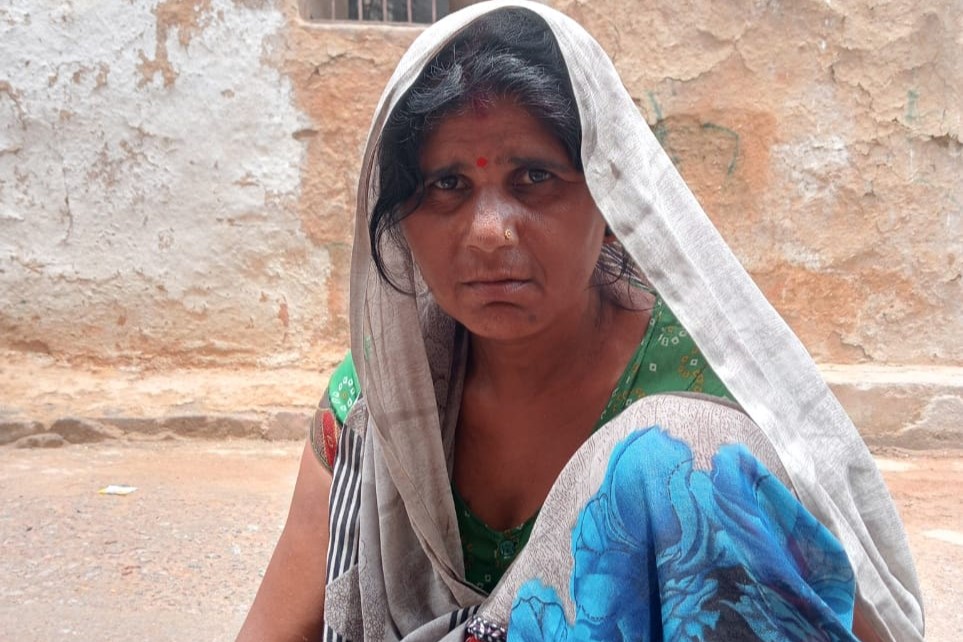
Gita today is a confident and vocal Gram Panchayat member from Kali Pahadi village in Mahoba district. She raises issues affecting women directly before district authorities and motivates other women representatives to do the same. Her journey, however, began far from leadership—it began in silence.
Like many women in Bundelkhand, Gita once spent her days managing household work, tending cattle, working in the fields, and occasionally labouring for wages. She was shy, hesitant to speak, and accustomed to leaving decisions to men. When she contested and won the Gram Panchayat election, it was at the insistence of her husband and family, not because she saw herself as a leader.
Winning the election did not immediately change her life. Gender discrimination continued within her home—girls received less food, fewer opportunities, and limited encouragement for education. Even within the Panchayat, women’s leadership remained symbolic. The Pradhan, also a woman, never attended meetings herself; her husband carried out all official responsibilities. Gita, too, was expected to sign documents without reading them, often visiting the Pradhan’s house accompanied by a male family member.
The turning point came with the formation of a women’s group under the Meri Panchayat Meri Shakti Project. The group focused on building women’s understanding of Panchayat roles and addressing issues related to health, education, gender discrimination, and violence against women. Recognising Gita’s position as an elected representative, the group encouraged her to participate.
Her decision was met with strong resistance at home. Her husband questioned her involvement, arguing that even the Pradhan did not attend meetings and that her primary responsibility was household work. Despite this opposition, Gita remained determined. Members of the women’s group and the organisation’s field worker engaged repeatedly with her family, explaining the importance of her role. Gradually, permission turned into acceptance.
Gita began by attending village-level meetings and later participated in block- and district-level discussions in Mahoba. With each meeting, her confidence grew. She learned about Panchayat functions, government schemes, and her own responsibilities as an elected representative. She stopped signing documents blindly and began asking questions, reading papers carefully, and sharing information with the Pradhan. She encouraged the Pradhan to listen to women directly and to step out of the shadows of male relatives.
This transformation also reshaped her personal life. Gita challenged gender discrimination within her household and ensured that her daughters were sent to Mahoba for higher education—decisions that marked a clear break from long-standing norms.
As Gita became more active, she faced backlash. When she complained against a ration shop owner for discriminating against women and marginalised communities, her ration card was cancelled in retaliation. Refusing to accept this injustice, Gita approached the District Magistrate. Her ration card was restored, and her resolve strengthened.
Today, Gita works fearlessly. On her initiative, a toilet was constructed in the village school. The Panchayat arranged transport so girls could travel safely to pursue higher education. Issues of gender equality, health, and violence against women are now discussed openly in women’s groups and Panchayat meetings.
Reflecting on her journey, Gita says, “After becoming part of this process, I truly felt that I am a Gram Panchayat member. Now I am recognised as one. Had I not been associated, my life would have remained limited to household work.” Gita’s story shows how sustained support, collective spaces, and access to information can transform elected women representatives into confident leaders—reshaping governance, families, and communities from within.