Women Farmers Growing Change Naturally
In Mahoba district, a quiet transformation is unfolding in farmers’ fields. Faced with rising input costs, unpredictable weather, and declining soil fertility, many farmers—especially women—are choosing a different path. By adopting natural farming practices and using resources available within their homes and communities, they are reducing costs, improving yields, and rebuilding their confidence in farming as a sustainable livelihood.
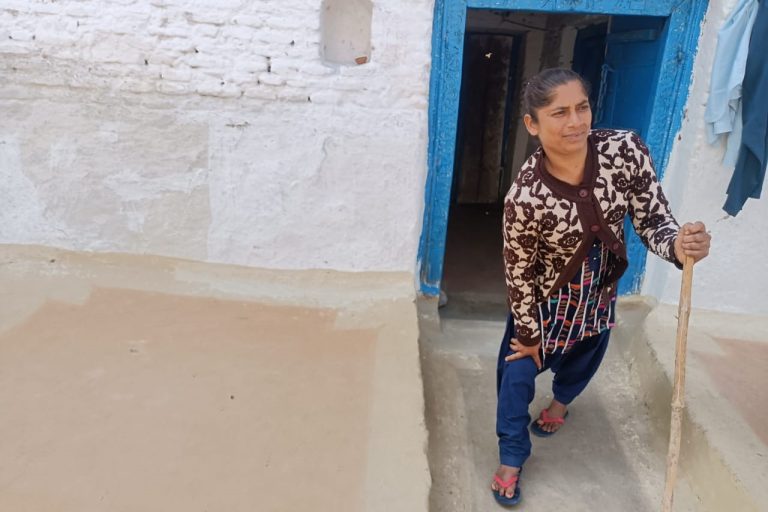
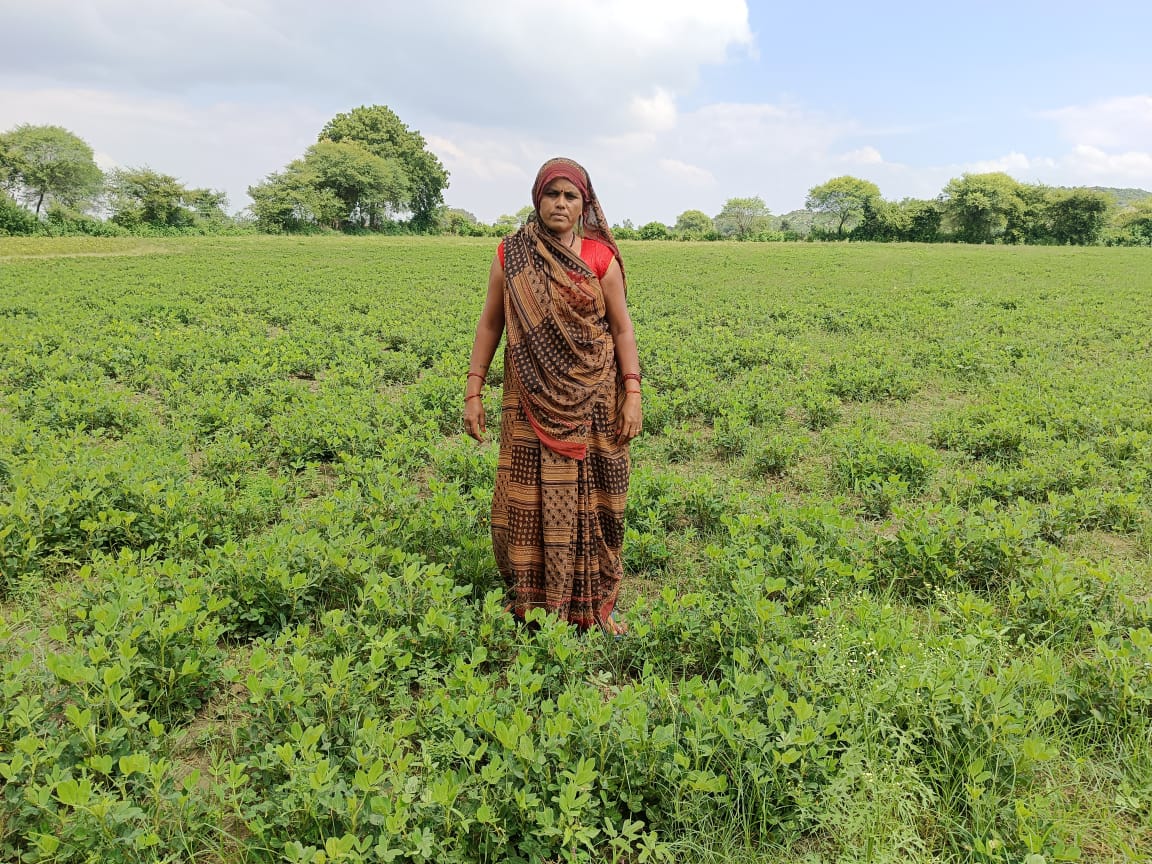
Malti, a farmer from Mirtala village in Kabrai block, is one such example. Farming has been her family’s primary occupation for years, but like many small farmers, she was increasingly worried. Every season demanded higher spending on chemical fertilisers and pesticides, while crop productivity continued to fall. Erratic rainfall and changing weather patterns further deepened her uncertainty. Farming, which once sustained the family, had begun to feel like a constant struggle.
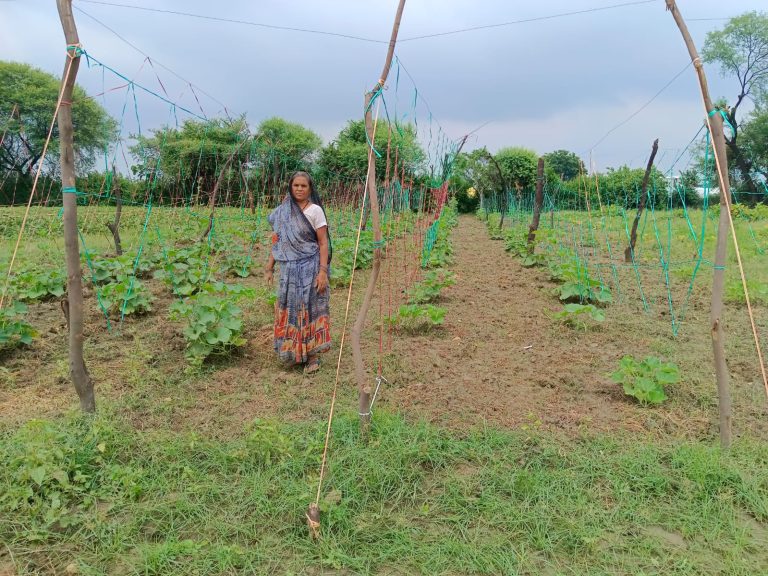
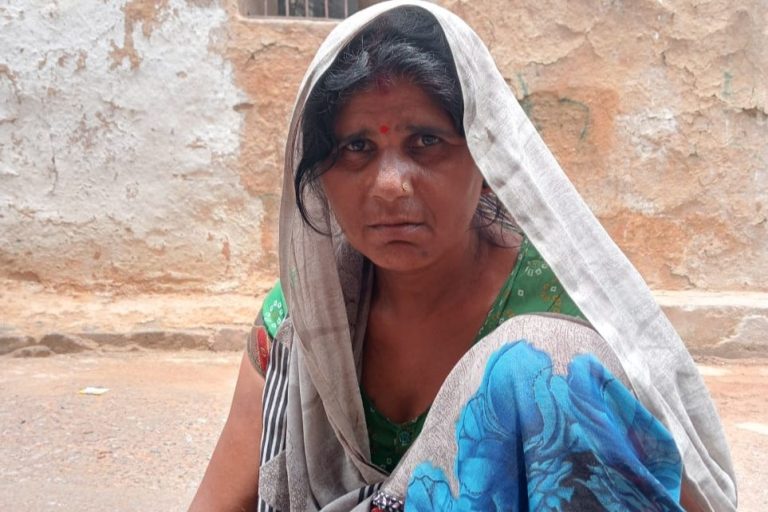
A similar situation was faced by Ramkunwar, a farmer from Sabua village in Charkhari block. Her family also depended on agriculture, yet rising cultivation costs and falling yields made it difficult to maintain a stable income. Despite working hard in the fields, the returns were shrinking year after year.
Both Malti and Ramkunwar came in contact with Gramonnati Sansthan through its field team. They were connected to women farmers’ user groups and introduced to natural farming practices through hands-on training and regular support. Their soil was tested to understand its condition, and they were trained to prepare and use locally made inputs such as Ghanjeevamrit (solid manure), Jeevamrit (liquid manure), Neemastra, and Agniastra—all prepared using materials easily available in villages.
Malti decided to experiment by cultivating groundnut on one bigha of land. Earlier, using chemical inputs, her yield never exceeded 340 kilograms. With natural farming practices, her yield increased to 350–400 kilograms, along with a visible improvement in crop quality. The produce fetched a better price in the market. She also observed that moisture remained in the soil for a longer period, reducing the number of irrigation cycles and saving both water and effort.
Ramkunwar began cultivating organic vegetables on her field. The results were equally encouraging. The vegetables were healthier, tastier, and more resilient. Like Malti, she noticed improved soil moisture retention, which reduced irrigation needs and lowered overall cultivation costs.
For the past three years, both women have continued practising natural farming. What began as a cautious experiment has now become a reliable and empowering way of life. Reduced dependence on external inputs, improved soil health, better yields, and increased confidence have helped them move towards more secure and dignified livelihoods.
Their journeys reflect a larger change taking root across Mahoba—where women farmers are reclaiming control over farming decisions, nurturing the land sustainably, and rewriting their destinies through natural farming.