Expanding Opportunities for Women Farmers
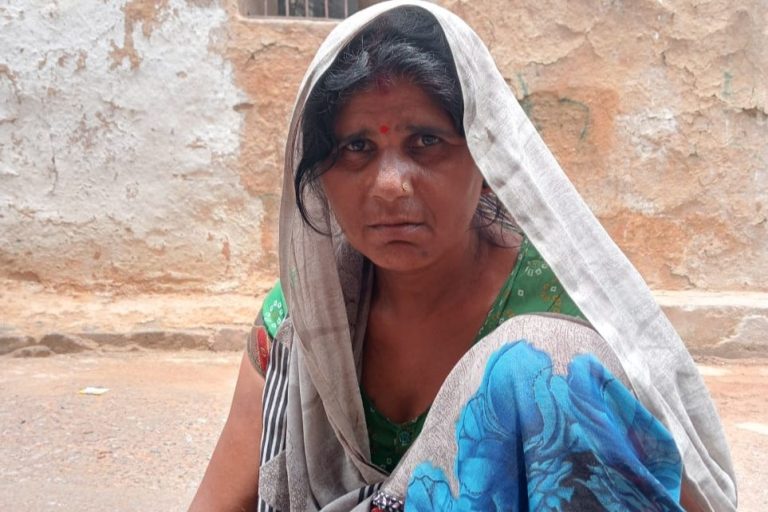
In Chandpura village of Kabrai block, farming has long been the primary source of livelihood for families like those of Kala and Archana. Like many small and marginal farmers, they relied on traditional ground-level cultivation practices passed down through generations. However, over time, these methods began yielding diminishing returns. Crops were frequently damaged due to waterlogging, pests, and uneven growth. Despite investing labour and resources, the quality of produce remained poor, and market prices were low—making farming an increasingly uncertain livelihood.
Recognising these challenges, Gramonnati Sansthan, under its Livelihood Promotion Project supported by Azim Premji Philanthropic Initiative, introduced the concept of scaffolding farming in Chandpura village. A community meeting was organised to discuss alternative farming practices that could improve productivity while reducing losses. Kala and Archana were identified as motivated farmers willing to learn and adopt new techniques.
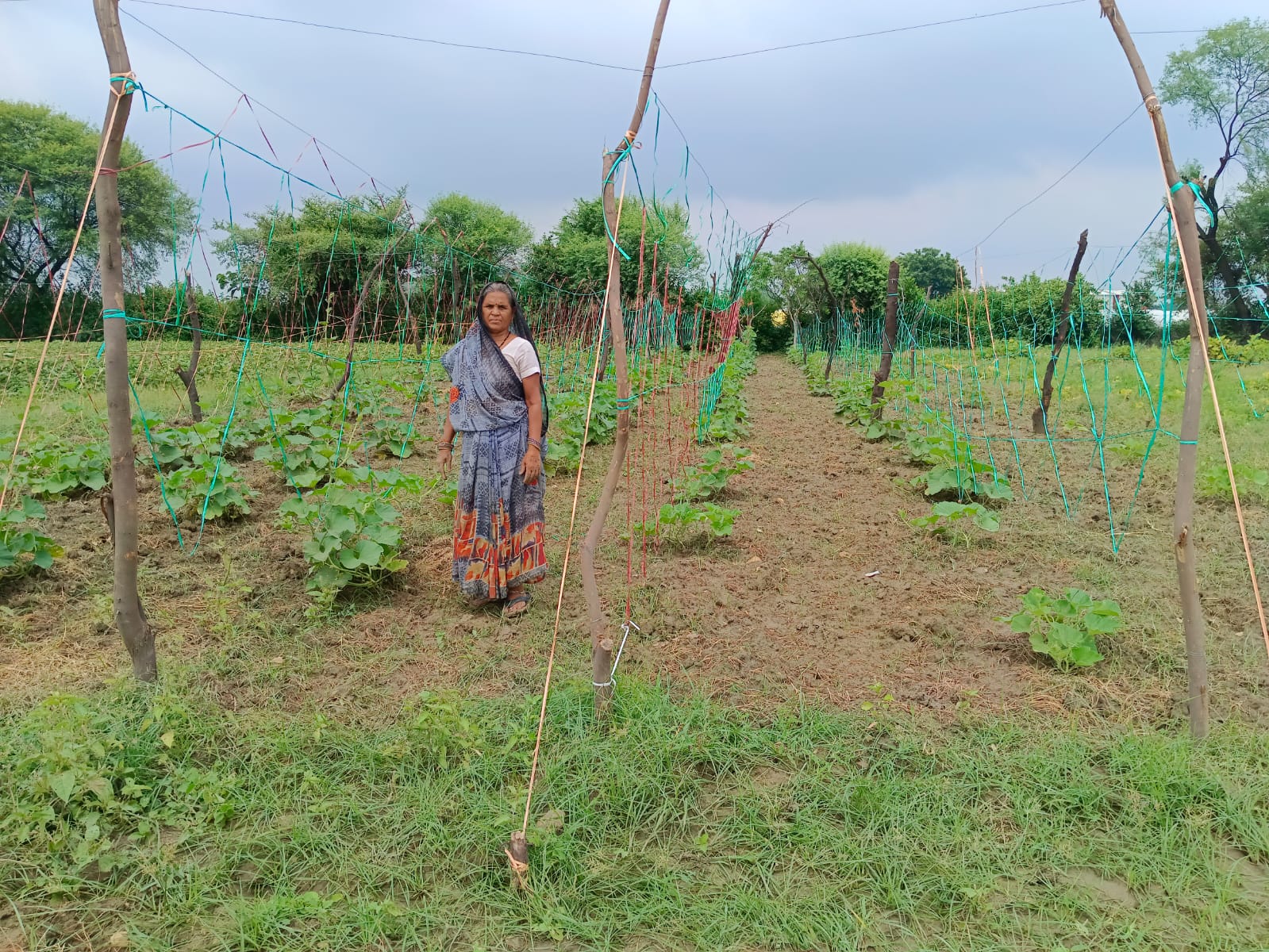
They received hands-on training on erecting scaffolding structures using bamboo poles and wires and on cultivating crops vertically rather than on the ground. The organisation also provided essential materials to help them initiate the practice. This shift marked a significant change—not only in technique, but also in mindset.
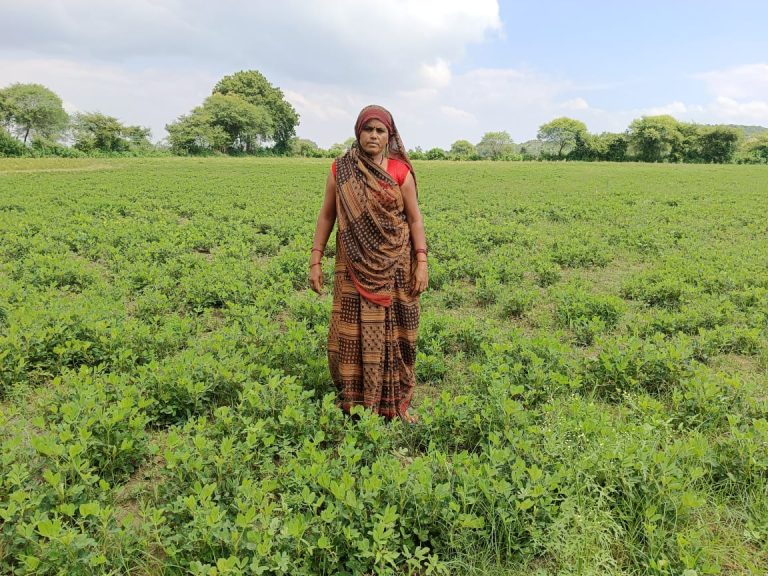
Kala chose to cultivate tomatoes using scaffolding farming. Earlier, she harvested only 3–4 kilograms per plant, as tomatoes grown on the ground often rotted when exposed to excess moisture. With scaffolding, the plants remained healthier, airflow improved, and the fruits no longer touched the soil. As a result, her yield increased to 7–8 kilograms per plant, and the quality of tomatoes improved substantially. She began receiving better prices in the local market, which gradually helped stabilise her household income and improve living conditions at home.
Encouraged by similar training, Archana adopted scaffolding farming for sponge gourd (taroi). Previously, she harvested only 8–10 kilograms per day, and the crop required frequent irrigation and longer growing time. After shifting to scaffolding, her daily harvest rose to 20–25 kilograms. Alongside this, she used Ghanjeevamrit, a natural fertiliser, during seed treatment and irrigation. This further improved plant health, increased yield by an additional 10–15 kilograms, and enhanced the quality of the produce. Reduced water use and better market prices translated into higher profits and greater financial security for her family.
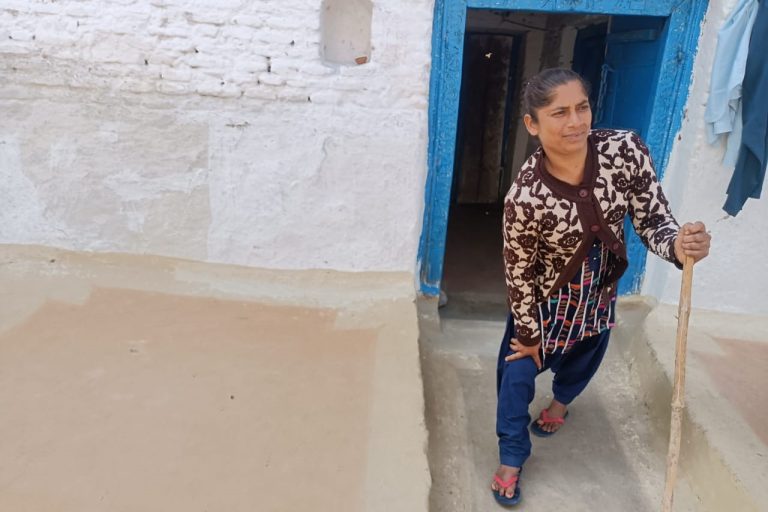
For Kala and Archana, scaffolding farming has brought more than improved yields. It has reduced losses, lowered effort, and strengthened their confidence as farmers capable of making informed decisions. Their success has also inspired other women in the village to explore improved farming practices and believe in the possibility of change. Their journey reflects the potential of simple, locally adaptable innovations to transform women’s livelihoods. By combining practical training, appropriate resources, and sustained handholding, scaffolding farming is enabling women farmers to move towards more productive, resilient, and dignified livelihoods—one structure, one crop, and one season at a time.